
2026 Los Angeles DSCR loan guide — rates, Prop 13 reassessment, AB1482, 3.5%–5.5% caps by submarket, insurance stacks, and lenders funding LA investors.
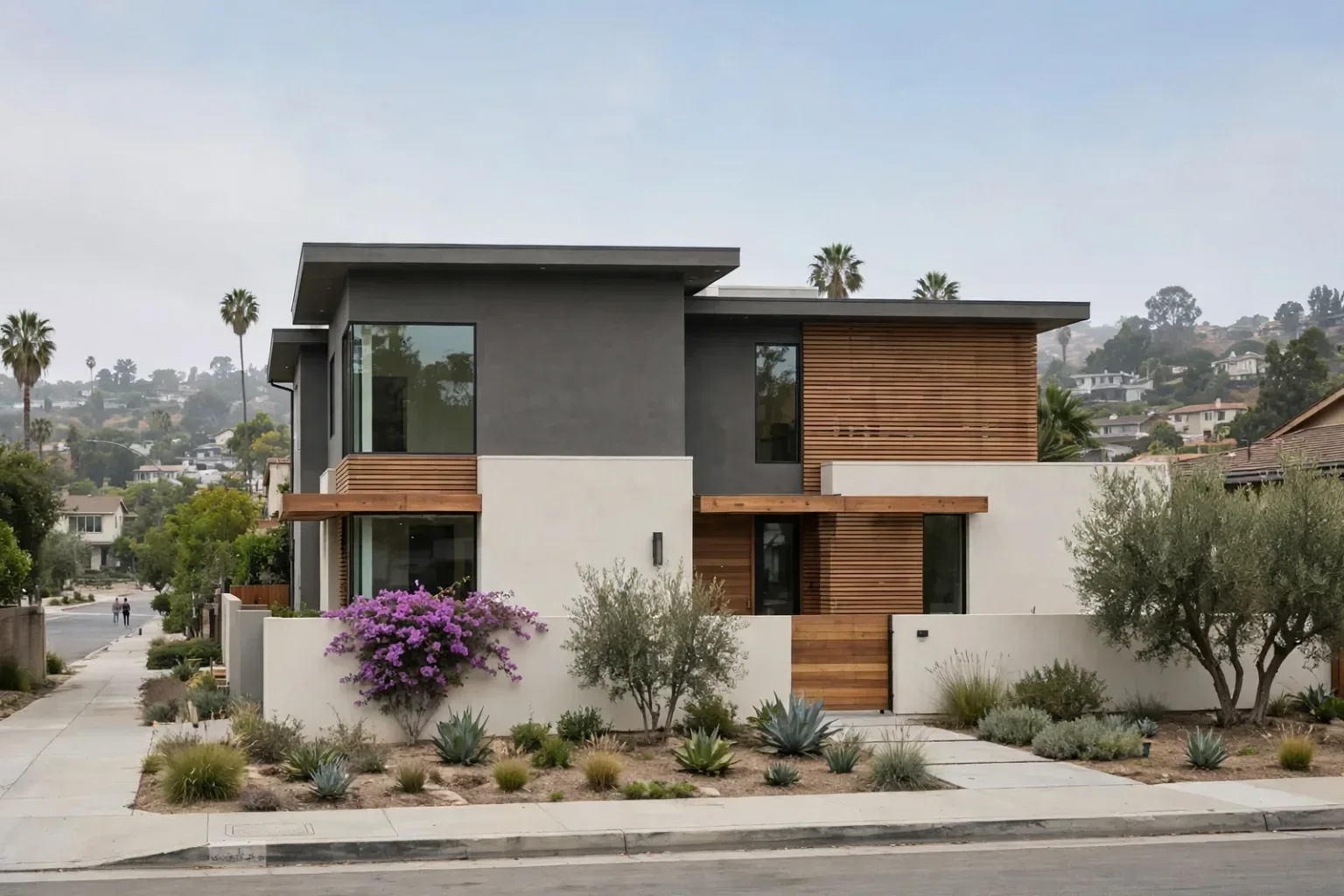
Los Angeles is an appreciation-first DSCR market with selective cash-flow pockets. Median investor prices near $950K with rents around $3,200/month produce citywide gross caps of roughly 3.5%–5.5% — thin at 75% LTV once you stack reassessed Prop 13 taxes, AB1482 rent-growth limits on covered units, and wildfire or coastal insurance that can add $400+/month to PITIA versus Midwest comparables. Investors who succeed here underwrite the buyer’s tax bill and insurance quote before they chase rent comps. This guide covers 2026 LA DSCR terms, submarket cash flow, regulatory friction, and lenders that fund California investment property. Read the California state guide and California DSCR market brief for statewide rules.
Why Investors Choose Los Angeles
Global city status, entertainment and tech employment, ports and logistics, and persistent housing undersupply support long-term rent growth — even when near-term price appreciation pauses. Roughly one-third of LA County transactions still close cash, so financed buyers need clean files, realistic DSCR math, and often lower LTV than they used in Texas or the Carolinas.
DSCR strategies that fit LA: San Fernando Valley workforce SFR for the best in-metro ratios, South LA and Inglewood-adjacent value-add when lender ZIP overlays allow, Antelope Valley for higher gross caps with commute trade-offs, and westside/coastal holds as equity and appreciation plays rather than cash-flow machines. Short-term rental income is usable only where city rules and HOA documents permit — many LA neighborhoods are effectively long-term-only for underwriting.
DSCR Loan Availability in Los Angeles
National DSCR lenders fund Los Angeles County, but California overlays are real: higher minimum DSCR (often 1.10–1.25), lower max LTV, stricter insurance review, and closer scrutiny of entity seasoning. Prepayment penalty structures vary by program; confirm whether your lender’s best tier requires a PPP and how California rules interact with that pricing.
| Typical Los Angeles DSCR Loan Terms, 2026 | Range |
|---|---|
| Minimum DSCR | 1.10 – 1.25 |
| Max LTV (purchase, SFR) | 70% – 75% |
| Max LTV (cash-out) | 65% – 70% |
| Max LTV (condo) | 65% – 70% |
| Minimum FICO | 680 – 720 (program-dependent) |
| STR income allowed | Yes, with documentation; city rules apply |
| Prepayment penalty | Program-specific; confirm CA treatment |
As of August 2026, LA DSCR files typically price above the national tables on /rates. Coastal, hillside, and high-fire-severity-zone properties often price at the wider end of the range once insurance is locked.
Cap Rates and Neighborhood Cash Flow
2026 rental market context: LA County rents remain elevated versus national averages, but year-over-year growth has cooled from the pandemic peak. Vacancy is tighter in well-located Valley and South Bay SFR than in oversupplied Class A multifamily pockets. For-sale prices in many ZIP codes are off peak highs, which has modestly improved entry DSCR math — still not a Memphis-style cash-flow market.
San Fernando Valley workforce corridors (Panorama City, Van Nuys, North Hills, Pacoima-adjacent): Best in-metro DSCR math. SFR $650K–$900K, rents $2,800–$3,600. Cap rates 4.5%–6.0%. Still tight at 75% LTV after reassessed tax and insurance; 70% LTV clears more files.
South LA / Inglewood-adjacent / Crenshaw corridor: Value-add and small multifamily, $550K–$850K depending on block and unit count, rents that can support 5.0%–6.5% gross caps on the right assets. Lender geography overlays and condition requirements are stricter; professional management assumed.
Northeast LA (Eagle Rock, Highland Park, Glassell Park): Gentrified mid-tier, $800K–$1.2M SFR, rents $3,200–$4,200. Cap rates 3.5%–5.0%. Strong tenant demand, thin cash flow — often held for appreciation and ADU upside.
Westside / coastal (Santa Monica-adjacent, Mar Vista, West LA, coastal South Bay): Appreciation plays. Prices $1.2M–$2M+, rents that rarely clear 1.15 DSCR at 75% LTV. Cap rates 2.5%–4.0%. Plan lower LTV, larger down payment, or no-ratio/alternative programs.
Antelope Valley (Lancaster / Palmdale): Lower prices, longer commutes, higher gross caps — SFR $350K–$550K, rents $2,000–$2,800, caps 5.5%–7.5%. Confirm lender appetite for AV ZIP codes and model vacancy/turnover honestly.
Long Beach / Gateway cities (select): Mid-tier between coastal premium and inland yield, $650K–$950K SFR, rents $2,900–$3,800. Cap rates 4.0%–5.5%. Useful when Valley inventory is thin and westside math does not work.
Property Tax, Insurance & AB1482
Prop 13 reassessment is the first LA DSCR landmine. Lenders use the buyer’s tax at purchase — typically ~1.0%–1.3%+ of purchase price including local levies — not the seller’s locked-in legacy bill. A $900K purchase can mean $9,000–$12,000+/year in tax from day one even if the seller paid $4,000. Pull the assessor’s estimate before you model DSCR.
Insurance realities in 2026:
- Hazard / FAIR Plan exposure: Many hillside and high-fire ZIP codes have limited admitted-market options. Budget $3,500–$8,000+ on mid-to-upper properties; some hillside files exceed that
- Coastal / wind: South Bay and coastal product can carry elevated premiums
- Earthquake: Usually separate; lenders may not require it, but your risk model should address it
- HOA / condo: Special assessments and master policy adequacy matter on investor condos
AB1482 (California Tenant Protection Act) may cap annual rent increases on covered units and affect just-cause eviction rules. Confirm whether the property is exempt (e.g., certain newer construction, single-family owned by individuals in some cases — rules are fact-specific). Entity structure and building age change the analysis; do not assume unlimited rent growth when stress-testing DSCR.
Landlord-Tenant & STR Notes
California and City of Los Angeles add more landlord process than Sun Belt DSCR markets:
- Longer eviction timelines and stronger tenant protections than TN/NC/NV
- City of LA short-term rental rules are restrictive in many residential zones; primary-residence and registration requirements apply where STR is allowed
- Lenders typically need proof of legal STR use plus 12 months of platform income — otherwise they underwrite long-term market rent
- Rent control / just-cause overlays vary by city within LA County (Santa Monica, West Hollywood, unincorporated areas differ)
Underwrite to compliant long-term rent unless STR legality is documented.
Best DSCR Lenders for Los Angeles
California-experienced DSCR lenders active in LA in 2026 include:
- Visio Lending — strong California SFR volume, competitive when insurance is clean
- Kiavi — efficient on standard Valley SFR purchases
- Easy Street Capital — flexible on STR and non-warrantable scenarios when documented
- Lima One Capital — SFR and small multifamily; confirm high-fire ZIP overlays
- Angel Oak — larger loan amounts and complex credit overlays
- HomeAbroad / foreign-national specialists — relevant for LA’s international buyer segment
- CoreVest — portfolio and small multifamily when aggregating LA assets
Use get matched to find programs that accept your ZIP, insurance carrier, and LTV — LA overlays are deal-specific.
Getting Started
LA DSCR files fail on tax and insurance assumptions more than on rent comps. Estimate reassessed property tax, get an insurance quote for the specific address, then model PITIA in the DSCR calculator. Review current rates, assume 70% LTV if the first pass is tight, and get matched with California-experienced lenders. For legal STR product, stress-test with the STR DSCR analyzer only after confirming city and HOA compliance.